
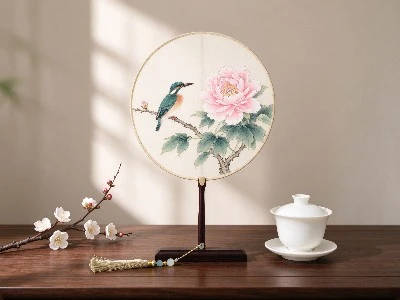
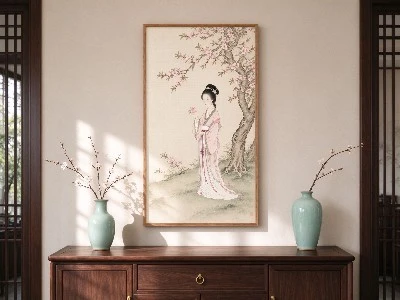
In the world of traditional Chinese art, Gongbi painting stands as a testament to meticulous craftsmanship and artistic finesse. Among the various subjects within Gongbi painting, fish paintings hold a special allure. They are not only a celebration of the beauty and grace of aquatic life but also a medium through which artists can express profound cultural and symbolic meanings. As a Gongbi Fish Painting supplier, I have witnessed the growing demand for these exquisite artworks and the increasing desire among collectors and enthusiasts to acquire pieces that are truly unique. In this blog post, I will share some insights on how to make a Gongbi Fish Painting more distinctive and captivating.
1. Conceptual Innovation
One of the primary ways to infuse a Gongbi Fish Painting with uniqueness is through conceptual innovation. Instead of sticking to the conventional portrayals of fish in calm ponds or flowing streams, artists can explore new themes and narratives. For example, they could depict fish in a mythical or dreamlike setting, where they interact with other magical creatures or inhabit surreal landscapes. This approach not only adds an element of surprise but also allows the artist to convey deeper symbolic messages.
Another aspect of conceptual innovation is to draw inspiration from different cultures and artistic traditions. By incorporating elements from Western art, such as perspective or color theory, or from other Asian art forms, like Japanese ukiyo - e, artists can create a fusion that is both visually striking and intellectually stimulating. For instance, a Gongbi Fish Painting could feature the intricate linework of traditional Chinese art combined with the bold color palettes characteristic of Western modern art.
2. Composition Techniques
The composition of a Gongbi Fish Painting plays a crucial role in its overall impact. A well - composed painting can guide the viewer's eye, create a sense of balance and harmony, and enhance the emotional resonance of the subject. To make a painting more unique, artists can experiment with unconventional composition techniques.
One such technique is the use of negative space. By leaving large areas of the canvas blank, the artist can create a sense of emptiness and mystery, allowing the fish to stand out more prominently. This technique also gives the painting a modern and minimalist feel, which is often appealing to contemporary audiences.
Another approach is to play with the scale and proportion of the fish. Instead of depicting them in a realistic size, artists can exaggerate or reduce their dimensions, creating a sense of drama and visual interest. For example, a tiny fish swimming in a vast expanse of water can convey a feeling of insignificance and vulnerability, while an oversized fish can symbolize power and dominance.
3. Color Palette Selection
The choice of color in a Gongbi Fish Painting can significantly affect its mood and atmosphere. While traditional Gongbi paintings often rely on a limited and subdued color palette, modern artists can break free from these constraints and explore more vibrant and unconventional colors.
For a unique look, artists can consider using complementary colors. Complementary colors are those that are opposite each other on the color wheel, such as red and green or blue and orange. When used together, they create a strong visual contrast that can make the fish pop off the canvas. Additionally, artists can experiment with different color gradients and blends to add depth and dimension to the painting.
Another option is to use metallic or iridescent colors. These colors can mimic the shiny scales of the fish, giving the painting a more realistic and eye - catching appearance. They can also add a touch of luxury and opulence, making the painting more suitable for high - end decor.
4. Brushwork and Texture
The brushwork in a Gongbi Fish Painting is what gives it its characteristic fine details and smooth finish. To make a painting more unique, artists can vary their brushwork techniques. Instead of the standard even and delicate strokes, they can use bold and expressive brushstrokes to convey movement and energy. For example, using quick and jagged strokes to depict the fins of a fast - swimming fish can create a sense of dynamism.
In addition to brushwork, adding texture to the painting can also enhance its uniqueness. Artists can use techniques such as dry - brushing, stippling, or glazing to create different surface textures. These textures can mimic the rough skin of a fish, the rippling water, or the surrounding environment, adding a tactile quality to the painting.


5. Incorporating Other Elements
To make a Gongbi Fish Painting more complex and engaging, artists can incorporate other elements into the composition. For example, adding plants, rocks, or bubbles to the scene can provide context and create a more realistic underwater environment. These additional elements can also add visual interest and help to tell a more complete story.
Artists can also consider including calligraphy or poetry in the painting. In traditional Chinese art, calligraphy and painting are often combined, and the addition of meaningful words can enhance the cultural and aesthetic value of the artwork. The calligraphy can be related to the theme of the fish painting, such as a poem about the beauty of fish or the tranquility of water.
Comparison with Related Art Forms
While Gongbi Fish Painting has its own unique charm, it is also interesting to compare it with related art forms. For instance, Gongbi Bamboo Painting focuses on the elegance and resilience of bamboo, using similar meticulous techniques but with a different subject matter. Gongbi Bamboo Paintings often convey a sense of tranquility and moral integrity.
Gongbi Crane Painting is another related art form. Cranes are symbols of longevity and good fortune in Chinese culture, and the paintings of cranes in Gongbi style are known for their grace and beauty. The techniques used in Gongbi Crane Paintings, such as the detailed rendering of feathers, can also inspire new ideas for Gongbi Fish Paintings.
Gongbi Flower Painting emphasizes the delicate beauty of flowers. The use of colors and the way the petals are painted can offer insights into how to create more vivid and realistic fish scales.
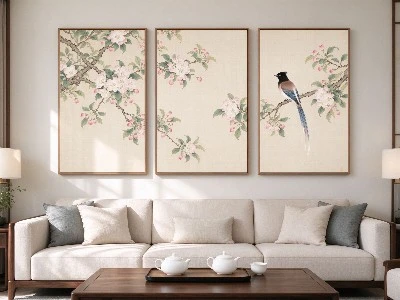
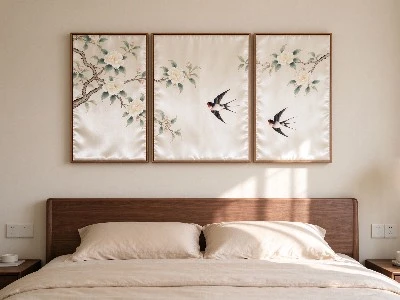
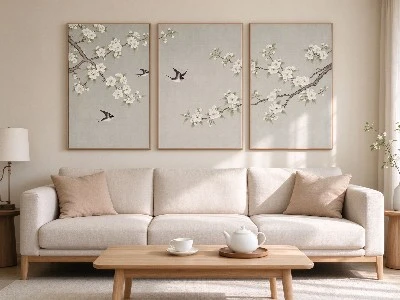
Landscape Wall Pictures for Living Room and Wildlife Wall Pictures also share some commonalities with Gongbi Fish Paintings. They all aim to create a visually appealing and harmonious composition that can enhance the decor of a living space.
Conclusion
Making a Gongbi Fish Painting more unique requires a combination of creativity, technical skills, and a willingness to experiment. By innovating in concepts, composition, color, brushwork, and by incorporating other elements, artists can create paintings that stand out from the crowd. Whether you are a collector looking for a one - of - a - kind piece to adorn your home or an interior designer seeking to add a touch of elegance to a project, our collection of Gongbi Fish Paintings offers a wide range of options.
If you are interested in exploring our Gongbi Fish Paintings further or wish to engage in a procurement discussion, we welcome you to reach out. We are committed to providing high - quality artworks that meet your specific needs and preferences.
References
- Smith, J. (2018). Chinese Traditional Painting Techniques. Art Press.
- Chen, L. (2019). The Symbolism in Gongbi Painting. Cultural Heritage Journal.
- Wang, H. (2020). Innovation in Traditional Chinese Art Forms. Artistic Research Quarterly.