
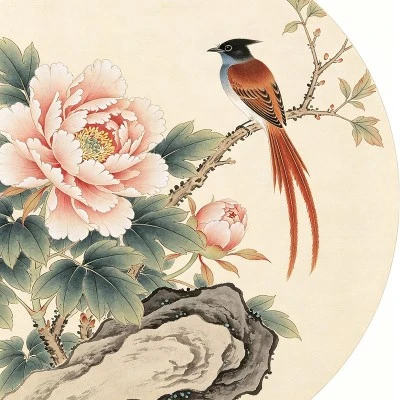
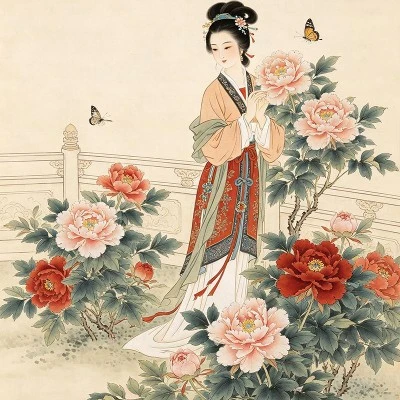
Hey there! I'm a supplier of Lotus Buddha paintings, and I often get asked about cultural taboos when handling these beautiful artworks. It's super important to respect the cultural and religious significance behind them, so let's dive right in and explore this topic.
First off, the lotus and Buddha are both incredibly significant symbols in Buddhism. The lotus flower represents purity, enlightenment, and the path to spiritual awakening. Buddha, of course, is the central figure, the enlightened one who showed the way to Nirvana. When you're dealing with a Lotus Buddha painting, you're essentially dealing with a piece that combines these two powerful symbols.
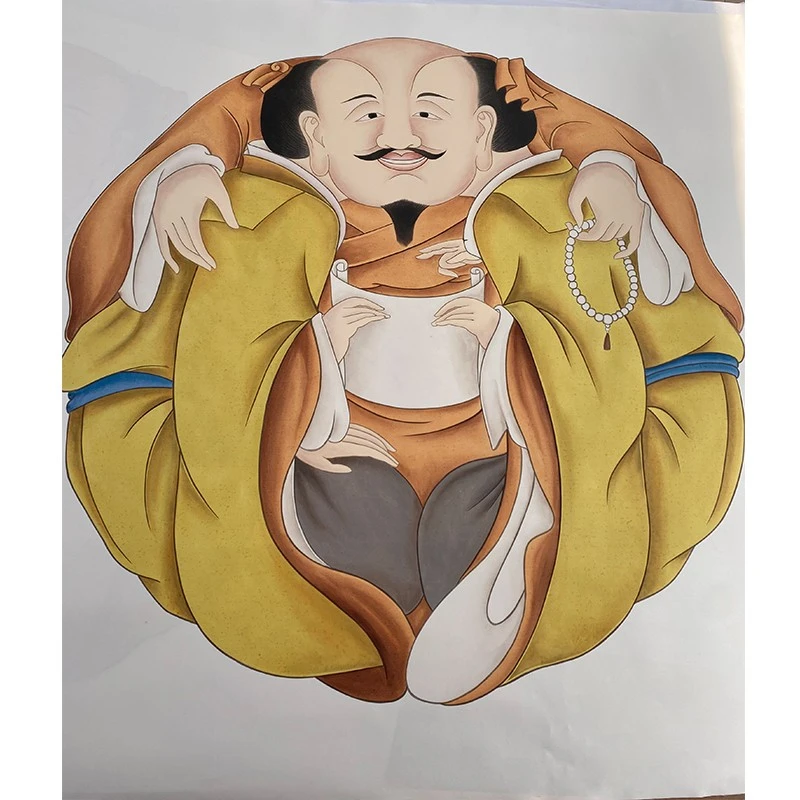
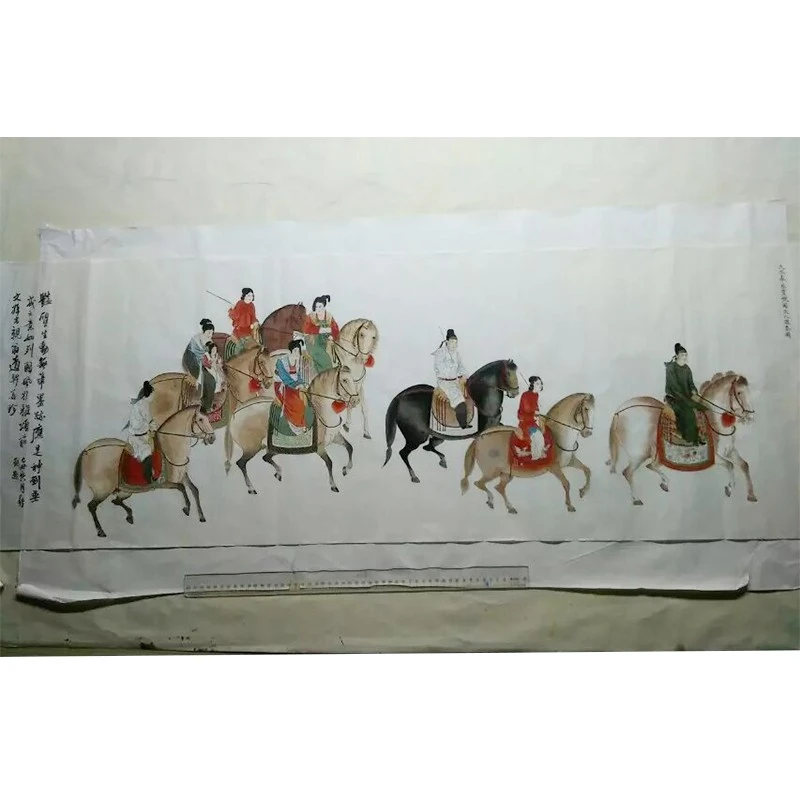
One of the major taboos is where you place the painting. In Buddhism, the Buddha is a revered figure, so the painting should never be placed in improper or disrespectful locations. For example, it shouldn't be placed in a bathroom, a bedroom (especially if you have an intimate relationship in that room), or any area where it might be stepped over or placed below waist - level. The ideal place is a clean, elevated area of your home or workspace. You can set up a small altar, and put the painting on it. This shows respect and makes the painting a focal point for meditation and spiritual reflection.
Secondly, how you handle the painting is crucial. You should always wash your hands before touching the painting. It's a sign of cleanliness and respect. Avoid being rough with it. Don't fold, crumple, or misuse the painting in any way. If you need to move it, do it gently and with both hands, almost as if you're carrying something extremely precious, because in a way, you are.
When it comes to dusting or cleaning the painting, be very careful. Use a soft, clean cloth to gently wipe away any dust. Avoid using harsh chemicals or abrasive materials that could damage the painting. And never clean it in a disrespectful manner. For instance, don't spray water directly on it or clean it while it's still hanging on the wall in a haphazard way.
Now, let's talk about modifying the painting. In general, you shouldn't make any changes to a traditional Lotus Buddha painting. These paintings often have specific iconography and meaning behind them. Altering the colors, adding or removing elements can change the entire spiritual and cultural significance. If you're interested in a more personalized version, it's best to work with an artist who understands the traditions and can create a new piece that respects the core values while still meeting your needs.
If you're planning to display the painting in public, there are also some things to keep in mind. Make sure the environment is appropriate. It shouldn't be in an area where there's a lot of chaos, noise, or inappropriate behavior. For example, don't display it in a bar or a nightclub. It's better to showcase it in a place like a meditation center, a yoga studio, or a cultural exhibition.
As a Lotus Buddha painting supplier, I offer a wide variety of these amazing artworks. You can check out our Hand Painted Figure Art section, where you'll find some unique pieces that blend different artistic styles with the traditional lotus and Buddha motifs. Our Handmade Buddha Painting collection is filled with one - of - a - kind creations made by skilled artists. If you're into the Tibetan style, then our Tibetan Buddha Painting range is perfect for you. And if you're looking to decorate your walls, our Buddhist Wall Art can add a touch of spirituality to any space. Don't forget to explore our Hand Painted Religious Art, which has a rich collection of religious paintings.
These paintings are not just pieces of art; they carry deep cultural and spiritual value. By following these taboos, you're not only respecting the traditions but also ensuring that the positive energy and significance of the painting remain intact.
If you're interested in purchasing any of our Lotus Buddha paintings or have questions about how to handle them properly, feel free to get in touch. We're more than happy to help you make the right choice and provide all the information you need for a respectful and meaningful experience with these beautiful artworks.
References:
- "The Iconography of Tibetan Buddhist Art" by Robert Beer
- "Buddhism: A Very Short Introduction" by Damien Keown
- Various cultural and religious research materials on Buddhism and its symbols.