
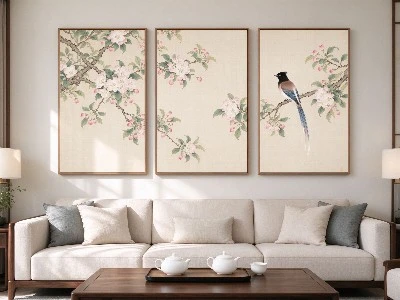
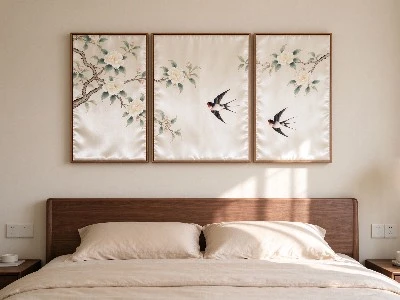
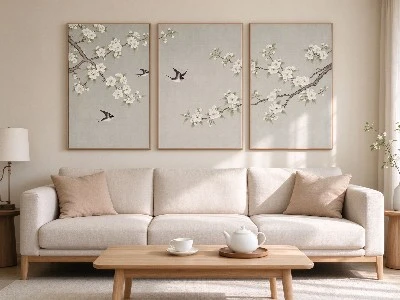
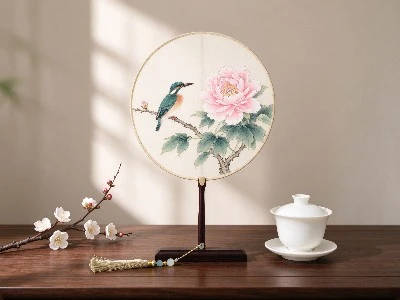
As a supplier of Gongbi Bamboo Painting, I'm excited to share with you the intricate process of drawing bamboo with birds in this traditional Chinese art form. Gongbi painting, known for its meticulous attention to detail, creates stunningly realistic and vibrant artworks. This guide will walk you through the steps of creating a Gongbi Bamboo Painting featuring birds, from understanding the basic tools and materials to mastering the techniques for depicting bamboo and birds.
Understanding Gongbi Bamboo Painting
Gongbi Bamboo Painting is a specialized genre within the broader realm of Gongbi painting. It combines the beauty of bamboo, a symbol of resilience and elegance in Chinese culture, with the grace of birds, often representing freedom and vitality. Gongbi Bamboo Painting is characterized by its fine brushwork, rich colors, and a high level of realism. To learn more about Gongbi Bamboo Painting, you can visit Gongbi Bamboo Painting.
Tools and Materials
Before you start your painting, gather the necessary tools and materials:
- Brushes: A set of fine Chinese brushes with different sizes and shapes is essential. Small, pointed brushes are ideal for detailed work, while broader brushes can be used for filling in larger areas.
- Ink: High-quality Chinese ink, either in stick or liquid form, is used to create the outlines and shading.
- Pigments: Traditional Chinese pigments, such as mineral and plant-based colors, are used to add color to the painting. These pigments come in a wide range of hues and can be mixed to create custom colors.
- Paper or Silk: Gongbi paintings are typically done on Xuan paper or silk. Xuan paper is absorbent and allows the ink and pigments to blend naturally, while silk provides a smooth and lustrous surface.
- Palette: A palette is used to mix the pigments and ink. You can use a traditional Chinese palette or a simple ceramic plate.
- Other Supplies: You may also need a water container, a blotting paper, and a ruler.
Step 1: Sketch the Composition
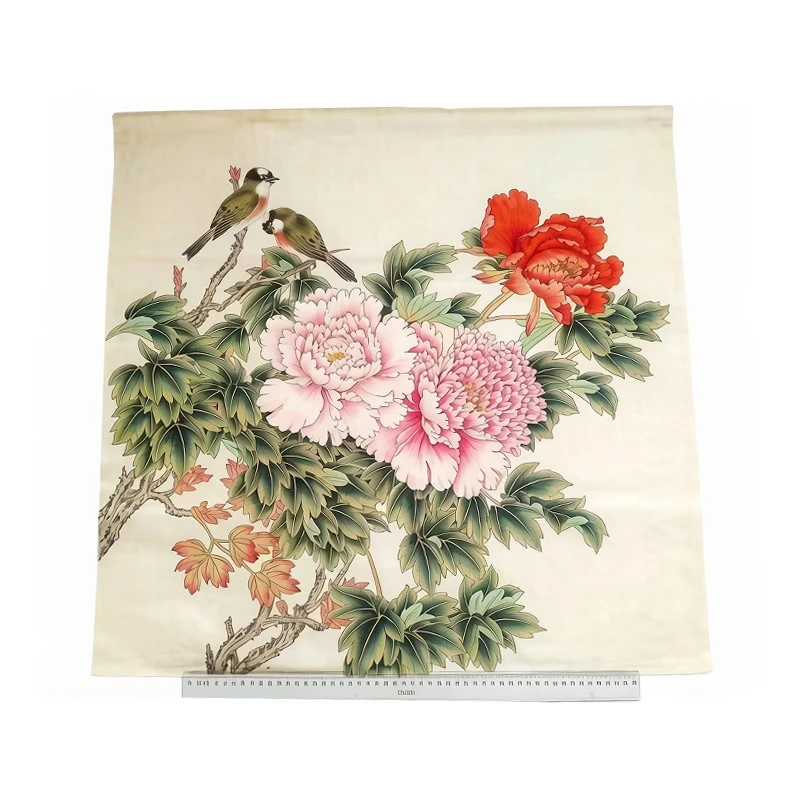
The first step in creating a Gongbi Bamboo Painting with birds is to sketch the composition on the paper or silk. Use a light pencil to outline the basic shapes of the bamboo and birds. Pay attention to the overall balance and proportion of the painting. Consider the placement of the bamboo branches, the position of the birds, and the negative space in the composition. You can also add some details, such as leaves and feathers, to the sketch.

Step 2: Ink the Outlines
Once you are satisfied with the sketch, use a fine brush and Chinese ink to ink the outlines of the bamboo and birds. Start with the main outlines and then add the details. Be careful not to press too hard on the brush, as this can cause the ink to bleed. Use a steady hand and a smooth, flowing motion to create clean and precise lines. You can also use different thicknesses of lines to add depth and dimension to the painting.
Step 3: Shade the Bamboo
After inking the outlines, it's time to shade the bamboo. Use a darker ink to add shadows to the bamboo branches and leaves. Pay attention to the direction of the light source in the painting. The areas facing the light should be lighter, while the areas facing away from the light should be darker. You can use a variety of shading techniques, such as cross-hatching, stippling, and blending, to create a realistic and three-dimensional effect.
Step 4: Paint the Birds
Painting the birds is the most challenging part of the Gongbi Bamboo Painting. Birds have intricate feathers and colorful plumage, which require a high level of skill and patience to depict. Start by painting the basic shapes of the birds with a light color. Then, use a darker color to add shading and details to the feathers. Pay attention to the texture and pattern of the feathers. You can use a small, pointed brush to create fine lines and details. Once you have painted the feathers, use a white pigment to add highlights to the eyes and beaks of the birds.
Step 5: Add Color to the Bamboo and Background
After painting the birds, it's time to add color to the bamboo and background. Use traditional Chinese pigments to add vibrant colors to the bamboo branches and leaves. You can mix different colors to create custom shades and hues. Pay attention to the harmony and balance of the colors in the painting. The colors should complement each other and create a visually appealing effect. You can also add some color to the background to enhance the overall mood and atmosphere of the painting.
Step 6: Finishing Touches
Once you have added color to the bamboo and background, it's time to add some finishing touches to the painting. Use a fine brush and a light color to add highlights to the bamboo and birds. You can also use a black ink to add some final details, such as the eyes and beaks of the birds. Finally, use a hair dryer or a blotting paper to dry the painting.
Tips for Drawing Bamboo with Birds in Gongbi Bamboo Painting
- Practice makes perfect: Gongbi Bamboo Painting requires a lot of practice and patience. Start with simple sketches and gradually work your way up to more complex paintings.
- Study the anatomy of bamboo and birds: Understanding the anatomy of bamboo and birds is essential for creating realistic and accurate paintings. Study the shape, structure, and movement of bamboo branches and leaves, as well as the feathers, wings, and beaks of birds.
- Use high-quality materials: Using high-quality tools and materials is essential for achieving good results in Gongbi Bamboo Painting. Invest in good brushes, ink, pigments, and paper or silk.
- Pay attention to details: Gongbi Bamboo Painting is all about details. Pay close attention to the smallest details, such as the texture of the feathers and the veins of the leaves.
- Experiment with different techniques: There are many different techniques and styles in Gongbi Bamboo Painting. Experiment with different techniques, such as stippling, cross-hatching, and blending, to create your own unique style.
Conclusion
Drawing bamboo with birds in Gongbi Bamboo Painting is a challenging but rewarding art form. By following the steps and tips outlined in this guide, you can create beautiful and realistic Gongbi Bamboo Paintings featuring birds. Remember to practice regularly, study the anatomy of bamboo and birds, and use high-quality materials. With patience and perseverance, you can master the techniques of Gongbi Bamboo Painting and create stunning artworks that will be admired for years to come.
If you are interested in purchasing Gongbi Bamboo Paintings or other Gongbi decorative paintings, such as Wildlife Wall Pictures, Gongbi Crane Painting, Landscape Wall Pictures for Living Room, or Gongbi Flower Painting, please feel free to contact us for more information and to discuss your purchasing needs.
References
- "Chinese Painting Techniques" by Wang Xizhi
- "Gongbi Painting: The Art of Chinese Fine Brush Painting" by Zhang Daqian