




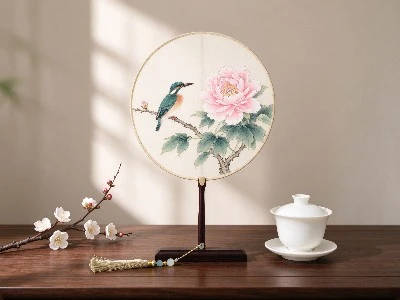
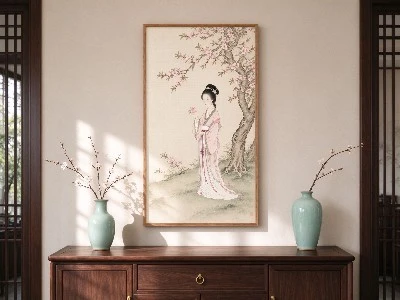
Gongbi silk scrolls are exquisite artworks that combine the finesse of traditional Chinese Gongbi painting with the luxurious texture of silk. As a reputable supplier of Gongbi silk scrolls, I've witnessed firsthand the beauty and cultural significance these pieces hold. However, preserving them can be a challenge due to their delicate nature. Here's a comprehensive guide on how to preserve these precious art treasures.
Understanding the Nature of Gongbi Silk Scrolls
Before delving into preservation methods, it's crucial to understand what makes Gongbi silk scrolls unique. Gongbi, a meticulous and detailed style of Chinese painting, involves delicate brushwork and fine lines. When applied to silk, the result is a stunning visual masterpiece that captures the essence of Chinese art and culture.
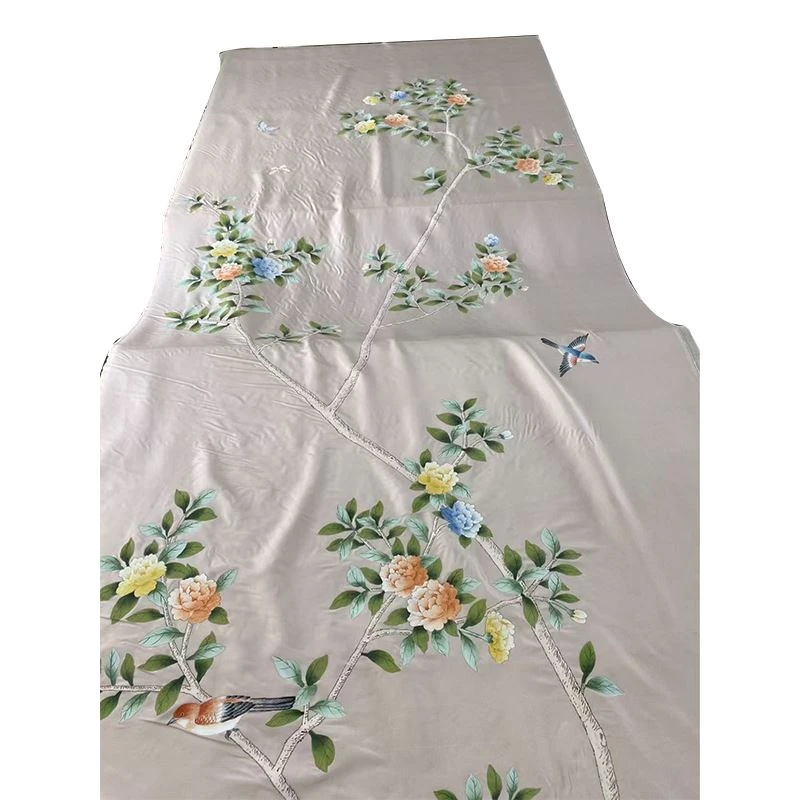
Silk, on the other hand, is a natural protein fiber that is sensitive to environmental factors such as humidity, temperature, and light. Additionally, the pigments used in Gongbi painting can fade or change color over time if not properly maintained. Therefore, preserving Gongbi silk scrolls requires a careful balance of environmental control and proper handling techniques.
Environmental Control
Temperature and Humidity
Temperature and humidity are two of the most critical factors in preserving Gongbi silk scrolls. Fluctuations in temperature and humidity can cause the silk to expand and contract, leading to wrinkles, cracks, and even delamination. To prevent these issues, it's recommended to store Gongbi silk scrolls in an environment with a stable temperature between 60°F and 70°F (15°C and 21°C) and a relative humidity between 40% and 50%.
A dehumidifier can be used to control humidity levels in areas with high humidity, while a humidifier can be used in dry environments. Additionally, it's important to avoid storing Gongbi silk scrolls in areas prone to temperature extremes, such as attics, basements, or near heating or cooling vents.
Light Exposure
Exposure to light, especially ultraviolet (UV) light, can cause the pigments in Gongbi silk scrolls to fade and the silk to deteriorate over time. To protect your scrolls from light damage, it's recommended to store them in a dark or low-light environment. If you need to display your scrolls, use UV-filtering glass or acrylic frames to reduce the amount of UV light that reaches the artwork.
Additionally, it's important to avoid direct sunlight and fluorescent lighting, as these types of light emit high levels of UV radiation. If you need to use artificial lighting, choose LED lights that emit low levels of UV light.
Air Quality
Air quality can also have a significant impact on the preservation of Gongbi silk scrolls. Dust, dirt, and pollutants can accumulate on the surface of the silk, causing discoloration and damage. To prevent this, it's recommended to keep the storage area clean and free of dust. You can use a soft brush or a vacuum cleaner with a soft brush attachment to remove dust from the surface of the scroll.
Additionally, it's important to avoid exposing Gongbi silk scrolls to smoke, chemicals, and other pollutants. If you need to clean the storage area, use mild, non-toxic cleaning products.
Proper Handling Techniques
Unrolling and Rolling
When unrolling and rolling Gongbi silk scrolls, it's important to do so carefully to avoid damage. Start by placing the scroll on a clean, flat surface. Gently unroll the scroll from the bottom, using your hands to guide the silk. Avoid pulling or tugging on the silk, as this can cause it to tear or stretch.
When rolling the scroll, start from the top and roll it tightly but gently. Make sure the edges of the scroll are aligned and that there are no wrinkles or creases. You can use a wooden or cardboard tube to help roll the scroll.
Displaying
If you want to display your Gongbi silk scroll, it's important to choose the right method. You can use a wall scroll mount or a hanging rod to display the scroll vertically. Make sure the mount or rod is sturdy and that the scroll is properly secured.
Alternatively, you can use a flat display case to display the scroll horizontally. This method is ideal for protecting the scroll from dust and damage while still allowing it to be viewed.
Cleaning
Cleaning Gongbi silk scrolls should be done with extreme caution. If the scroll is dirty, you can use a soft, dry brush to gently remove any dust or debris. Avoid using water or any cleaning solutions, as these can damage the silk and the pigments.
If the scroll is severely dirty or damaged, it's recommended to seek the help of a professional conservator. A conservator has the skills and expertise to clean and restore Gongbi silk scrolls without causing further damage.
Related Products
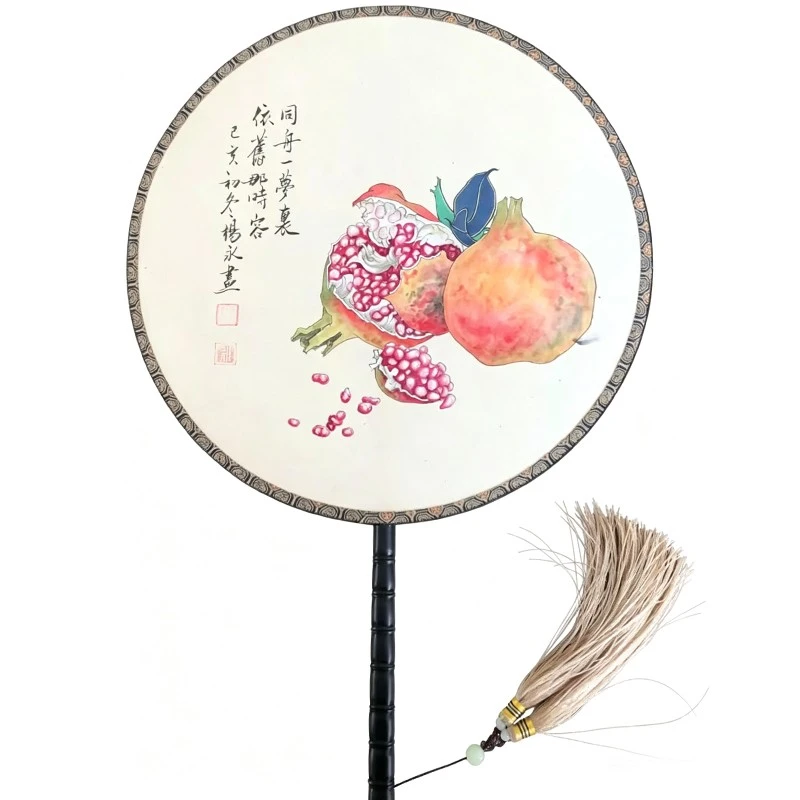
In addition to Gongbi silk scrolls, we also offer a variety of related products that are perfect for adding a touch of Chinese art and culture to your home or office. Check out our Vintage Hand Fan, Decorative Fan, Gongbi Folding Fan, and Hand-painted Folding Fan. These fans are handcrafted with the same attention to detail and quality as our Gongbi silk scrolls, making them the perfect complement to your collection.
Contact Us for Procurement
If you're interested in purchasing Gongbi silk scrolls or any of our other products, we'd love to hear from you. Our team of experts is available to answer any questions you may have and to help you find the perfect piece for your needs. Whether you're a collector, an art enthusiast, or a business looking to add a touch of Chinese culture to your space, we have the products and expertise to meet your needs.
References
- "The Conservation and Restoration of Chinese Paintings" by Wen Fong
- "Silk Painting in China" by Nicholas Barnard
- "Preservation of Asian Art: A Manual for Museums" by the International Council of Museums (ICOM)