
Hey there! As a supplier of hand-drawn figure drawings, I've spent a ton of time delving into the nitty-gritty details of creating these art pieces. One of the most interesting aspects I've come across is the differences between male and female figure drawings in hand-drawn art. Let's dive right in and explore these distinctions.
Body Proportions
First off, body proportions are a major differentiator. Men generally have broader shoulders and narrower hips. This gives them a V-shaped torso, which is a classic sign of masculinity in art. When I'm drawing a male figure, I focus on emphasizing those wide shoulders. It gives the figure a sense of strength and power. For instance, in a heroic male figure drawing, I'll make the shoulders extra wide to convey that larger-than-life quality.


On the other hand, women typically have wider hips compared to their shoulders. This creates an hourglass shape, which is often associated with femininity. When I'm working on a female figure, I pay close attention to the curve of the hips and the waist. A well-defined hourglass shape can make the female figure look more graceful and alluring.
Muscle Structure
Muscle structure also plays a huge role. Men usually have more prominent muscles. Their arms, chest, and thighs are more muscular and well-defined. When I draw a male figure, I use thicker, bolder lines to depict the muscles. It gives the impression of physical strength. For example, when drawing a male athlete figure, I'll really accentuate the bulging biceps and the chiseled chest.
In contrast, women have a softer muscle structure. Their muscles are still there, but they're not as visible beneath the skin. Instead of sharp, defined lines, I use more flowing and gentle curves when drawing female muscles. This gives the female figure a more delicate and feminine appearance.
Facial Features
Facial features are another area where the differences are quite noticeable. Men typically have more angular faces. Their jaws are stronger and more square-shaped. The eyebrows are usually thicker and more straight. When I draw a male face, I use sharp lines to define the jaw and the cheekbones. This gives the face a rugged and masculine look.
Women, on the other hand, have more rounded faces. Their jaws are softer and less angular. The eyebrows are often thinner and more arched. I use softer, curvier lines to draw a female face. It gives the face a more gentle and feminine expression.
Posture and Gesture
Posture and gesture can also convey the gender of a figure. Men often stand or sit in a more open and assertive posture. They might have their legs spread wider and their arms akimbo. This kind of posture conveys confidence and dominance. When I draw a male figure, I try to capture that assertive body language.
Women, on the contrary, tend to have a more closed and submissive posture. They might cross their legs or fold their arms. This kind of posture gives the figure a more demure and feminine appearance. When drawing a female figure, I focus on these subtle gestures to enhance the femininity.
Clothing and Accessories
Clothing and accessories can also help distinguish between male and female figure drawings. Men usually wear more practical and functional clothing. Suits, trousers, and shirts are common choices. When I draw a male figure in clothing, I focus on the straight lines and sharp angles of the garments. It adds to the overall masculine look.
Women, on the other hand, have a wider variety of clothing options. Dresses, skirts, and blouses are popular choices. These garments often have more flowing and curvy lines. When I draw a female figure in clothing, I pay attention to the way the fabric drapes and flows. It enhances the feminine silhouette. Accessories also play a role. Women often wear jewelry, scarves, and handbags, which can add to the overall femininity of the figure.
Cultural and Historical Influences
It's important to note that cultural and historical factors can also influence the way male and female figures are drawn. In some cultures, men are depicted as more stoic and serious, while women are shown as more emotional and nurturing. These cultural norms can be reflected in the art.
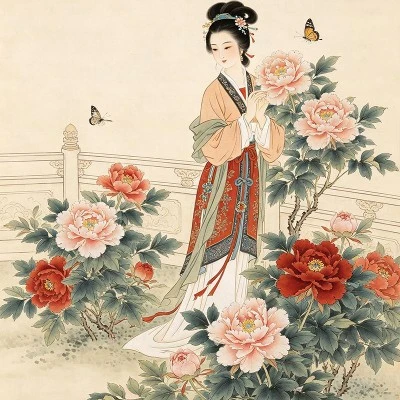
For instance, in traditional Chinese art, male figures are often drawn to represent wisdom and authority. They might be shown in long robes, with a calm and composed expression. Female figures, on the other hand, are often drawn to represent beauty and grace. They might be depicted in flowing dresses, with a gentle and delicate expression.
Our Hand-Drawn Figure Drawings
At our place, we take all these differences into account when creating hand-drawn figure drawings. Whether you're looking for a male or female figure, we can bring your vision to life. We have a wide range of styles, from realistic to abstract.
If you're interested in religious-themed figure drawings, we've got some great options. Check out our Buddhist Wall Art, Handmade Buddha Painting, Tibetan Buddha Painting, Lotus Buddha Painting, and Hand Painted Religious Art. These pieces are not only beautiful but also carry a deep spiritual meaning.
Let's Connect
If you're in the market for high-quality hand-drawn figure drawings, don't hesitate to reach out. We're always happy to discuss your requirements and see how we can help. Whether you need a single piece for your home or a large order for a commercial project, we've got you covered. Let's start a conversation and create something amazing together.
References
- "Artistic Anatomy" by Sarah Simblet
- "Figure Drawing for All It's Worth" by Andrew Loomis
- "The Artist's Guide to the Human Figure" by Juliette Aristides