
What is the relationship between Gongbi Silk Scrolls and traditional Chinese poetry? Well, I'm super excited to dig into this topic because I'm a supplier of Gongbi Silk Scrolls. It's like opening a treasure chest of Chinese culture, and I can't wait to share all the cool connections I've found.
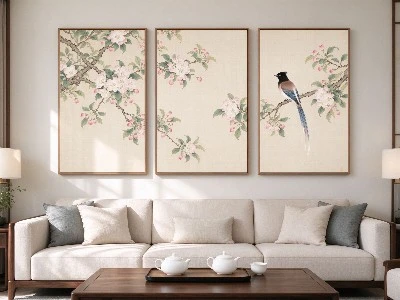
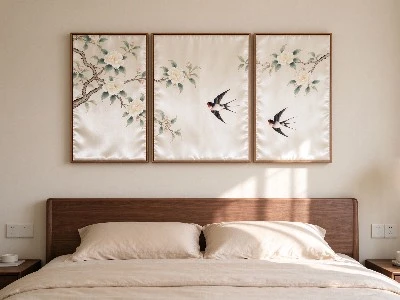
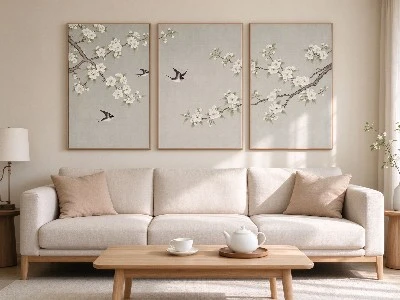
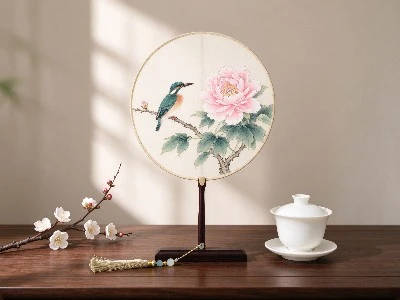
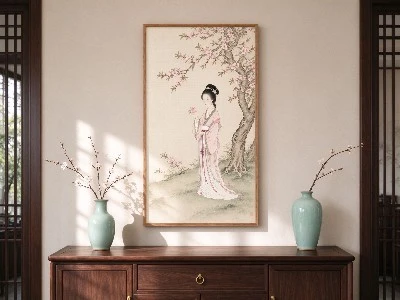
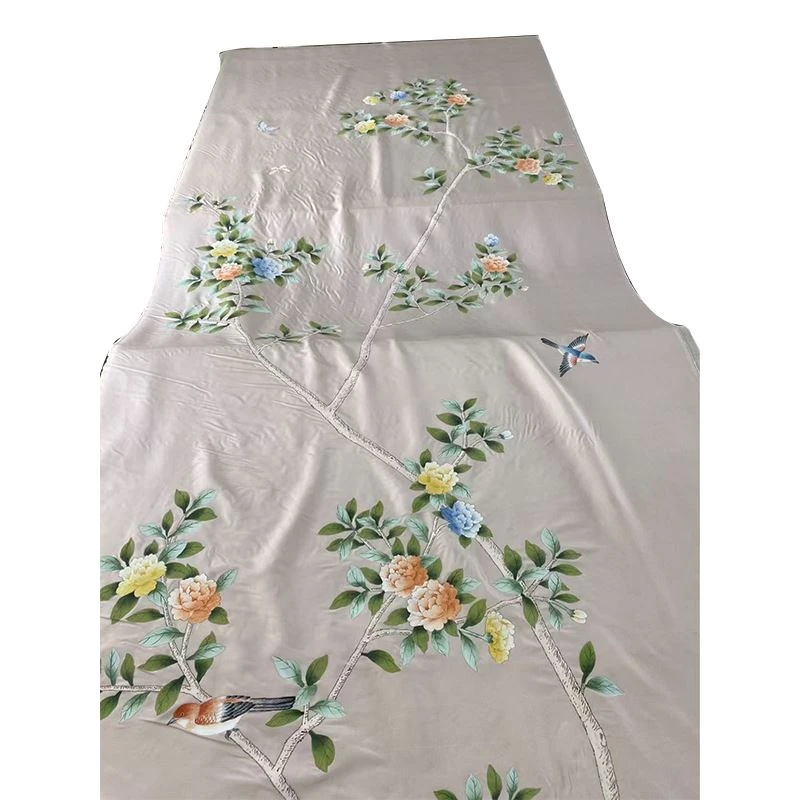
First off, let's talk about what Gongbi Silk Scrolls are. Gongbi is a meticulous Chinese painting technique that focuses on details. Artists use fine brushes and vivid colors to create incredibly realistic and delicate images on silk scrolls. These scrolls can depict a wide range of subjects, from beautiful landscapes and flowers to elegant figures. They are not just art pieces; they are windows into the rich Chinese cultural heritage. You can check out some amazing examples of Gongbi Silk Scrolls on this Gongbi Silk Scroll page.
Now, traditional Chinese poetry is another gem in the Chinese cultural crown. It has a long history, dating back thousands of years. Chinese poets use words like paintbrushes to create vivid pictures in the readers' minds. They express emotions, describe the beauty of nature, and tell stories through carefully crafted verses.
So, what's the relationship between these two art forms? One of the most obvious connections is the theme. Both Gongbi Silk Scrolls and traditional Chinese poetry often draw inspiration from the same sources. For example, nature is a very popular theme in both. In a Gongbi Silk Scroll, you might see a beautiful spring scene with blooming flowers, fluttering butterflies, and a gentle stream. Similarly, a traditional Chinese poem might describe the same springtime beauty, using words to paint a picture of colorful blossoms and the sweet smell of the season.
Let's look at a specific example. There are many poems that talk about plum blossoms, which are also a common subject in Gongbi Silk Scrolls. Plum blossoms are a symbol of perseverance and purity in Chinese culture. A poet might write about how plum blossoms bloom bravely in the cold winter, defying the harsh weather. On a Gongbi Silk Scroll, the artist would use fine lines and soft colors to depict the delicate petals of the plum blossoms, their structural details, and the qi of toughness conveyed. Through different artistic means, both the poet and the painter are trying to capture the essence of the plum blossoms and the spirit they represent.
Another connection is the mood and emotion. Traditional Chinese poetry is full of emotions, whether it's the joy of reunion, the sadness of separation, or the tranquility of nature. Gongbi Silk Scrolls can also convey the same emotions through the use of colors and composition. For instance, a scroll with a misty mountain landscape done in cool, muted colors can create a sense of peace and solitude, which is similar to the mood in a poem about retreating into nature to find inner peace. The artist carefully chooses the colors, the placement of elements, and the overall atmosphere of the painting to evoke a certain feeling, just like a poet does with words.
The aesthetic concept is also shared between the two. In traditional Chinese culture, there is an emphasis on harmony, balance, and the unity of man and nature. These ideas are reflected in both Gongbi Silk Scrolls and traditional Chinese poetry. In a Gongbi Silk Scroll, the artist arranges the elements in the painting to create a sense of balance. For example, if there is a large mountain on one side, there might be a small pavilion on the other side to balance the composition. In traditional Chinese poetry, the poet uses parallelism, rhyme, and other poetic devices to create a harmonious and balanced text. The goal of both artists is to achieve a kind of aesthetic perfection that reflects the traditional Chinese worldview.
Moreover, they often complement each other. In ancient China, it was very common for a painting and a poem to be paired together. A painter might create a beautiful Gongbi Silk Scroll, and then a poet would write a poem to go with it. The poem could interpret the meaning of the painting, add more depth to the image, or express the painter's emotions that might not be fully shown in the visual art. Conversely, the painting could provide a visual representation of the scenes and images described in the poem, making the poem more vivid and tangible.
Let me tell you a little bit about how these art forms have influenced modern culture. In today's world, the beauty of Gongbi Silk Scrolls and traditional Chinese poetry is still very much appreciated. They have inspired a lot of modern art, design, and even fashion. For example, you can find elements of Gongbi paintings on Gongbi Folding Fan, Gongbi Round Fan, Hand-painted Folding Fan, and Vintage Hand Fan. These fans are not only practical but also works of art that carry on the tradition of Gongbi painting.
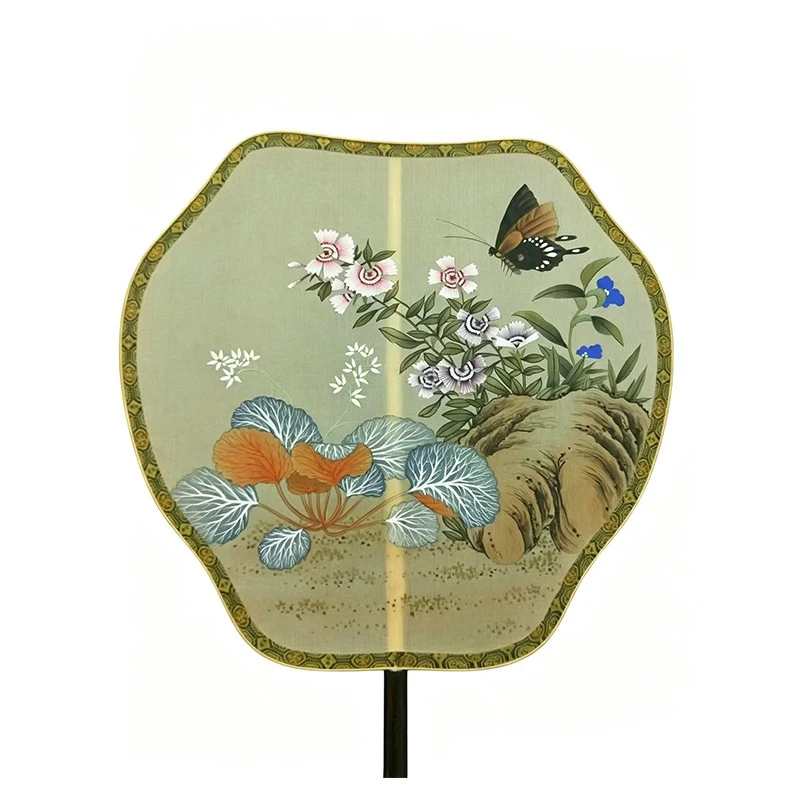
As a Gongbi Silk Scroll supplier, I've seen how these artworks can bring a touch of Chinese culture to any space. Whether it's a home, an office, or a gallery, a Gongbi Silk Scroll can add a sense of elegance and sophistication. And when you think about the connection with traditional Chinese poetry, it adds even more depth and meaning to the art.
If you're interested in adding a piece of this beautiful Chinese culture to your collection, I'd love to talk to you. Whether you're an art collector, a decorator, or just someone who appreciates the beauty of Gongbi Silk Scrolls, feel free to reach out and we can start a discussion about your needs. I'm always happy to share my knowledge and help you find the perfect piece.
References
- "An Introduction to Chinese Painting"
- "The History and Beauty of Traditional Chinese Poetry"
- Various Chinese cultural research materials on art and literature