




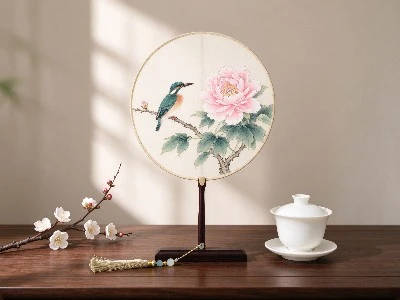
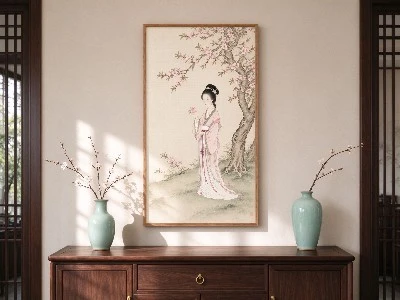
Gongbi folding fans are exquisite works of art that combine traditional Chinese painting techniques with the functionality of a fan. As a supplier of these beautiful items, I am delighted to share the detailed process of how Gongbi folding fans are made.
Materials Selection
The first step in creating a Gongbi folding fan is carefully selecting the materials. The two main components of a Gongbi folding fan are the fan ribs and the fan surface.
For the fan ribs, high - quality bamboo is often the top choice. Bamboo is favored for its lightness, flexibility, and natural beauty. Different types of bamboo can be used, each with its own unique texture and color. For example, moso bamboo is known for its straightness and strength, making it ideal for the main ribs of the fan. The bamboo is sourced from regions where it grows in optimal conditions, ensuring its durability.
The fan surface is typically made of silk. Silk provides a smooth and lustrous canvas for the Gongbi painting. Mulberry silk is commonly used due to its fine texture and ability to hold ink and color well. The silk is carefully inspected for flaws, such as unevenness or holes, before it is used. Only the highest - quality silk is selected to ensure that the final product is of the best standard.
Preparation of Fan Ribs
Once the bamboo is selected, it undergoes a series of processing steps. First, the bamboo is cut into appropriate lengths according to the size of the fan being made. The bamboo is then shaped by trimming and smoothing the edges. This is done using specialized tools, such as knives and sandpaper, to ensure that the ribs are of uniform thickness and shape.
After shaping, the bamboo ribs are often treated to enhance their durability. They may be soaked in a special solution to prevent insect damage and decay. This soaking process can last for several days, allowing the solution to penetrate the bamboo fibers thoroughly. Once treated, the ribs are dried in a controlled environment to ensure that they retain their shape and strength.
The ribs are then assembled. There are usually a certain number of main ribs and smaller support ribs. The main ribs determine the overall structure of the fan, while the support ribs help to keep the fan surface in place. The ribs are connected at one end using a small brass or bronze pivot. This pivot allows the fan to open and close smoothly.
Preparation of the Fan Surface
The silk for the fan surface needs to be prepared before painting. First, the silk is stretched tightly on a wooden frame to ensure a flat surface. This stretching process is crucial as it prevents the silk from wrinkling during the painting process.
Next, a thin layer of sizing is applied to the silk. The sizing is a type of glue - like substance that helps the ink and colors adhere to the silk better. It also gives the silk a slightly stiff texture, which is more suitable for painting. The sizing is carefully applied using a brush, and then the silk is left to dry.
Gongbi Painting on the Fan Surface
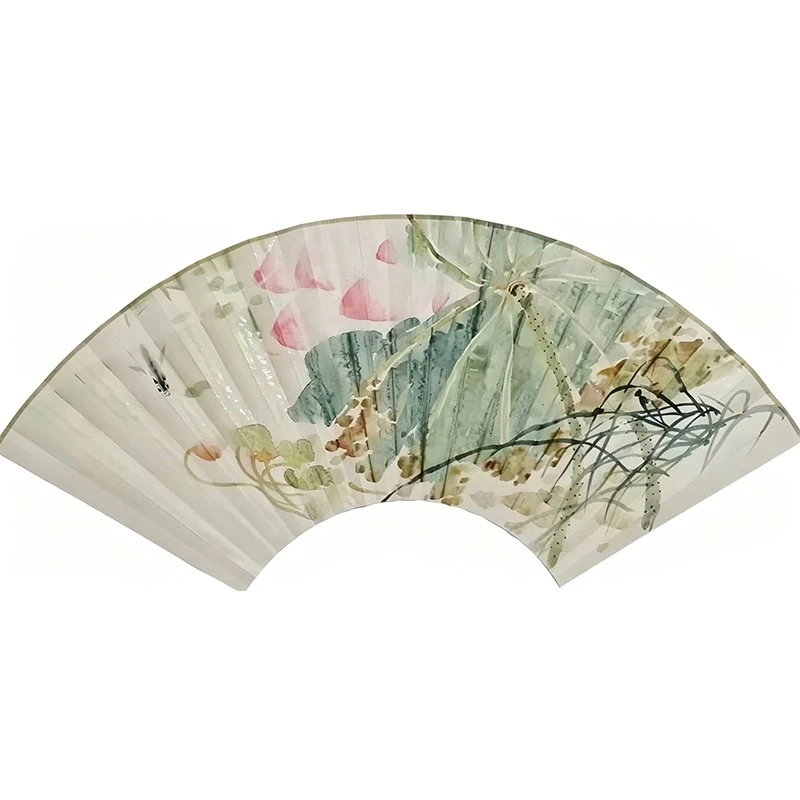
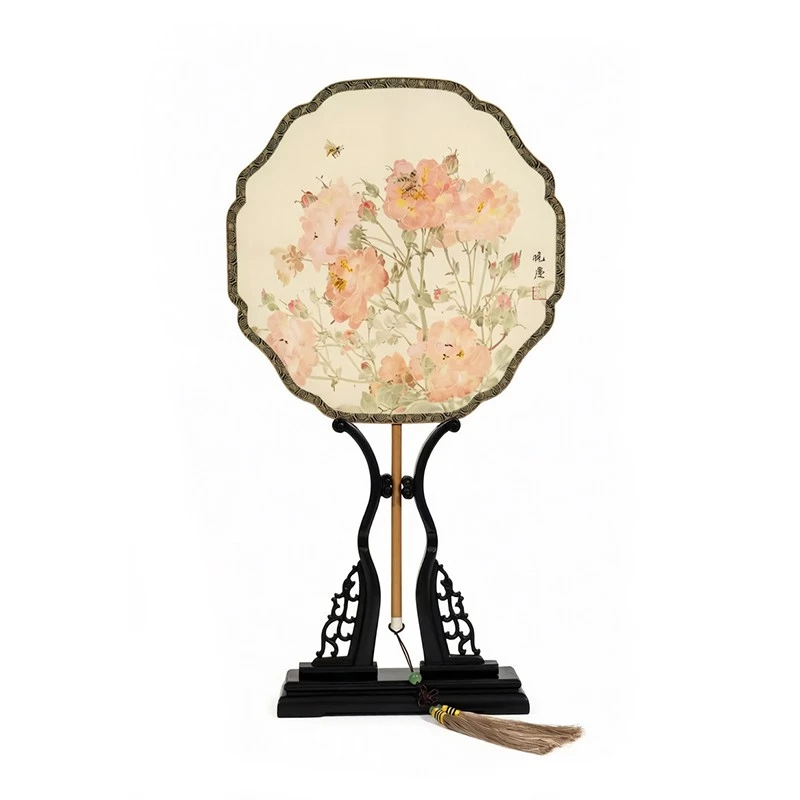
Gongbi painting is a highly detailed and meticulous painting technique. It requires a great deal of skill and patience. The artist first sketches the design on the prepared silk surface using a light - colored ink. The design can be a variety of subjects, such as flowers, birds, landscapes, or figures. Each subject is carefully planned to fit the shape and size of the fan surface.
After the sketch is complete, the artist begins to fill in the colors. Gongbi painting uses mineral pigments, which are known for their rich and long - lasting colors. The pigments are mixed with water and a small amount of glue to create the paint. The artist applies the paint layer by layer, starting with the lightest colors and gradually building up to the darker ones. Each brushstroke is precise and deliberate, and the artist may spend hours or even days on a single fan.
Details are crucial in Gongbi painting. For example, when painting a flower, the artist will carefully depict the petals, stamens, and pistils, paying attention to their shape, color, and texture. The same level of detail is applied to all elements of the painting, creating a realistic and lifelike image.
Assembly of the Fan
Once the painting on the fan surface is complete and fully dried, it is time to assemble the fan. The painted silk is carefully attached to the prepared fan ribs. This is usually done by gluing the silk to the ribs along the edges. The glue used is a special type that is strong enough to hold the silk in place but also flexible enough to allow the fan to open and close without damaging the silk.
After the silk is attached, the fan is given a final inspection. The edges are trimmed to ensure a clean and even appearance. The fan is then polished to give it a smooth finish.
Quality Control and Packaging
As a supplier, we have a strict quality control process. Each Gongbi folding fan is carefully inspected for any defects, such as uneven painting, loose ribs, or damaged silk. Only fans that meet our high - quality standards are approved for sale.
Once the fans pass the quality control, they are carefully packaged. We use high - quality boxes or cases to protect the fans during transportation. The packaging also adds to the overall aesthetic appeal of the product, making it an ideal gift item.
If you are interested in our Gongbi folding fans, you can also explore our other products such as Decorative Fan, Gongbi Round Fan, Vintage Hand Fan, and Gongbi Silk Scroll. We are always ready to discuss your procurement needs and look forward to starting a long - term business relationship with you.
References
- "Chinese Traditional Fan Art", a collection of essays on the history and craftsmanship of Chinese fans.
- "Techniques of Gongbi Painting", a comprehensive guide to the Gongbi painting method.