
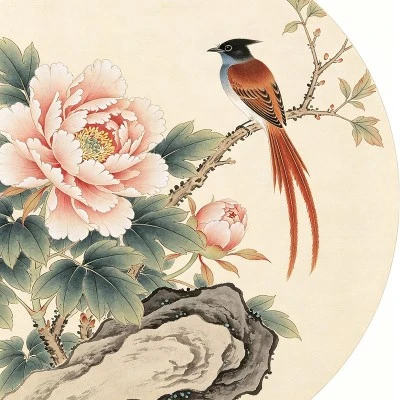
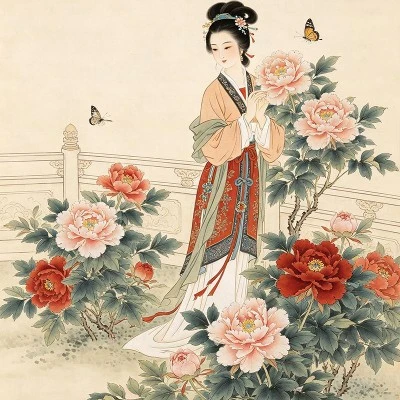
Gongbi painting, a traditional Chinese art form, has a long - standing history and is known for its meticulousness, precision, and the use of fine brushwork. Among various types of Gongbi paintings, Gongbi bamboo painting holds a special place due to the symbolic significance of bamboo in Chinese culture. As a Gongbi Bamboo Painting supplier, I often receive inquiries from parents about whether this art form is suitable for children to learn. In this blog, I will explore the matter from multiple perspectives.
The Aesthetic Appeal of Gongbi Bamboo Painting for Children
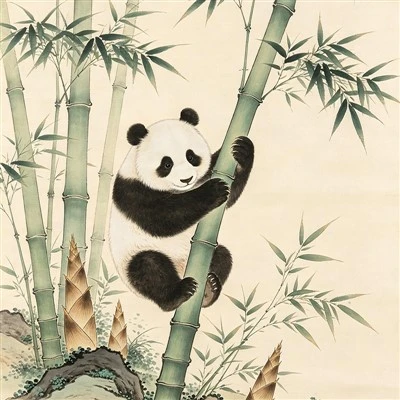
Gongbi bamboo painting offers a unique visual experience. The detailed brushwork, which captures the texture of bamboo leaves and the smoothness of bamboo stalks, can be a great source of inspiration for a child's sense of aesthetics. For children, who are in the stage of developing their understanding of colors, shapes, and spatial relationships, the vivid colors and precise depictions in Gongbi bamboo paintings can provide a rich visual feast.
Moreover, the elegance of bamboo in Chinese traditional art has a calming and purifying effect. Bamboo is often depicted against a simple yet harmonious background in Gongbi paintings, which can teach children about the balance between elements in a composition. By observing these paintings, children can start to understand concepts like proportion, contrast, and harmony, which are fundamental to all forms of art.
Educational Benefits of Learning Gongbi Bamboo Painting
Cultural Education
In Chinese culture, bamboo is highly respected and symbolizes integrity, perseverance, and modesty. When children learn Gongbi bamboo painting, they are not only learning a painting technique but also delving into Chinese cultural values. Understanding the symbolic meaning behind bamboo in traditional Chinese art can broaden children's cultural horizons and increase their appreciation for different cultures.
Discipline and Patience
Gongbi painting, in general, requires a high level of concentration and patience. To paint a single bamboo leaf with precision, a child needs to control the brushstrokes carefully and take time to build up the colors gradually. This process can help children develop self - discipline and the ability to focus, skills that are valuable not only in art but also in their academic and daily lives.
Creativity and Imagination
While Gongbi painting follows certain traditional rules and techniques, there is still room for creativity. Children can rearrange the bamboo elements, add other elements from their imagination, or experiment with different color combinations in their Gongbi bamboo paintings. This allows them to express their unique ideas and helps in fostering their creativity and imagination.
Challenges in Children Learning Gongbi Bamboo Painting
Difficulty in Brushwork Control
Gongbi bamboo painting demands fine control of the brush. The brushstrokes for depicting bamboo leaves and stalks are very specific. For young children, it might be challenging to hold the brush correctly and make the delicate and precise strokes required. They may initially find it frustrating when they cannot achieve the desired results, which could potentially dampen their enthusiasm for learning.
Long - term Commitment
Mastering Gongbi bamboo painting is not an overnight task. It takes months, even years of practice to be proficient in this art form. For children with a short attention span and a natural tendency to get easily bored, it can be a struggle to maintain their interest and commitment over a long period.
Teaching Approaches for Children
Simplify the Process
When introducing Gongbi bamboo painting to children, it is essential to simplify the process. Start with basic shapes of bamboo, such as using simple lines to represent the stalks and small curves for the leaves. Gradually, as children become more familiar with the shapes, more details can be added.
Make it Fun
To keep children engaged, turn the learning process into a fun activity. For example, organize a bamboo painting competition among children, where they can unleash their creativity and receive recognition for their efforts. Storytelling can also be a great way to introduce the topic. Share stories about bamboo in Chinese culture with children to arouse their interest.

Promotion of Related Gongbi Paintings
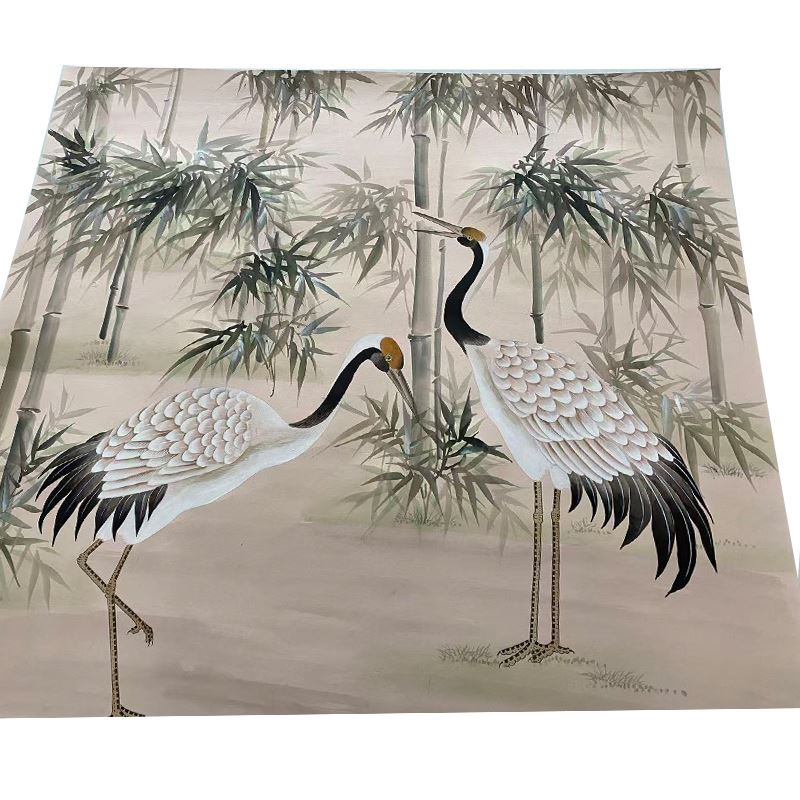
As a Gongbi Bamboo Painting supplier, we also offer a wide range of other Gongbi paintings that might be of interest to those who are exploring Gongbi art. Our Wildlife Wall Pictures showcase the beauty and vitality of various animals through meticulous Gongbi techniques. The Gongbi Crane Painting, with cranes symbolizing longevity and good fortune in Chinese culture, is another exquisite piece of art.
For those looking to decorate their living rooms, our Landscape Wall Pictures for Living Room can bring a touch of traditional Chinese elegance to the space. And if you prefer the beauty of flowers, our Gongbi Flower Painting collection features a variety of colorful and vividly - painted flowers.
Conclusion
In conclusion, Gongbi bamboo painting has both advantages and challenges when it comes to children learning. The aesthetic and educational benefits are significant, including cultural education, development of discipline and patience, and enhancement of creativity. However, children may face difficulties in brushwork control and maintaining long - term commitment. With appropriate teaching approaches, such as simplifying the process and making it fun, Gongbi bamboo painting can be a rewarding learning experience for children.
If you are interested in our Gongbi Bamboo Paintings or other Gongbi art products, we warmly welcome you to contact us for procurement and further discussions. You can visit our Gongbi Bamboo Painting page to explore more of our collection.
References
- Wang, X. (2018). Traditional Chinese Painting: A Comprehensive Introduction. Beijing: Chinese Art Press.
- Zhang, Y. (2020). The Symbolism in Chinese Bamboo Art. Shanghai: Shanghai Cultural Heritage Publishing.
- Li, Z. (2019). Teaching Chinese Painting to Children. Guangzhou: Southern Art Education Journal.