

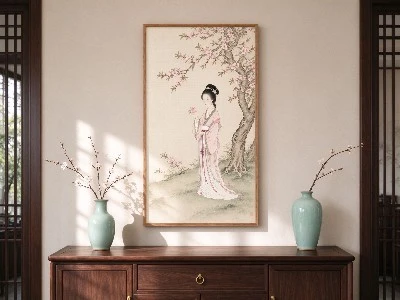
In the world of religious and spiritual art, Buddha paintings hold a special place. They serve not only as decorative pieces but also as a medium for spiritual connection and devotion. When it comes to Buddha paintings, there are two primary methods of creation: handmade and printed. As a supplier of Handmade Buddha Paintings, I have a deep - rooted understanding of the nuances between these two types. In this blog post, I will delve into the differences between handmade and printed Buddha paintings, highlighting the unique value that handmade artworks bring.
1. Craftsmanship and Skill
Handmade Buddha paintings are a testament to the artist's skill and craftsmanship. Each stroke of the brush is deliberate, reflecting the artist's understanding of the subject matter, religious symbolism, and aesthetic principles. Artists spend years honing their skills, learning traditional painting techniques, and studying the cultural and religious context of Buddha paintings.
For example, in Tibetan Buddha Painting Tibetan Buddha Painting, artists use intricate details and specific color palettes that are steeped in religious meaning. They may spend weeks or even months on a single painting, painstakingly adding layers of paint and refining the details. This level of dedication and skill is evident in the final product, which often has a depth and richness that is hard to replicate.
On the other hand, printed Buddha paintings are created through mechanical or digital processes. While these methods can produce high - quality images, they lack the human touch and the individuality that comes with handmade art. The printer follows a preset pattern, and every copy is essentially the same. There is no scope for the spontaneity and creativity that are inherent in the handmade process.
2. Aesthetics and Visual Appeal
Handmade paintings have a unique aesthetic quality that is hard to match. The textures created by the brushstrokes, the variations in color density, and the presence of imperfections all contribute to the charm of a handmade Buddha painting. These imperfections are not flaws but rather evidence of the artist's handiwork, adding character and authenticity to the piece.
Take, for instance, a Lotus Buddha Painting. The artist may use different brush techniques to depict the petals of the lotus flower, creating a sense of depth and movement. The colors may blend in a way that is organic and natural, enhancing the overall spiritual and aesthetic appeal of the painting.
Printed paintings, while they may be sharp and clear, often lack this tactile and organic quality. The colors are usually more uniform, and the image has a smooth, machine - made look. They can be visually appealing, but they do not possess the same emotional resonance as handmade paintings.
3. Symbolism and Spiritual Significance
Buddha paintings are rich in symbolism, representing various aspects of Buddhist teachings and philosophy. Handmade paintings have a deeper connection to these symbolic meanings as they are created with a higher level of understanding and reverence. Artists infuse their paintings with their own spiritual insights and interpretations, making each piece a unique spiritual artifact.
In a hand - painted Buddha painting, the artist may choose specific postures, gestures, and clothing to convey different qualities of the Buddha. For example, a Buddha with the "Bhumisparsha Mudra" (earth - touching gesture) symbolizes the moment of enlightenment. The artist's careful rendering of this gesture can enhance the spiritual significance of the painting.
Printed paintings, while they can accurately reproduce the symbolic elements, may not carry the same spiritual energy. The mass - production nature of printing means that the connection between the creator and the spiritual essence of the painting is often diluted.
4. Durability and Longevity
Handmade Buddha paintings are generally more durable in the long run. High - quality handmade paintings use natural pigments and traditional painting materials that have been tested over time. These materials are often more resistant to fading and deterioration compared to the inks used in printed paintings.
Artists may use materials such as mineral pigments, which are known for their long - lasting color. Additionally, the process of applying layers of paint by hand can create a more robust surface that is less likely to be damaged by environmental factors.
Printed paintings, especially those made with low - quality inks and papers, may fade over time, especially when exposed to sunlight or humidity. While there are high - end printing techniques that can produce relatively long - lasting prints, they still may not match the durability of a well - crafted handmade painting.
5. Emotional and Cultural Value
A handmade Buddha painting is a cultural and emotional heirloom. It represents a piece of living art that has a story behind it. Each painting is a result of the artist's personal journey, cultural heritage, and spiritual beliefs. Owning a handmade Buddha painting is like owning a piece of history and culture.
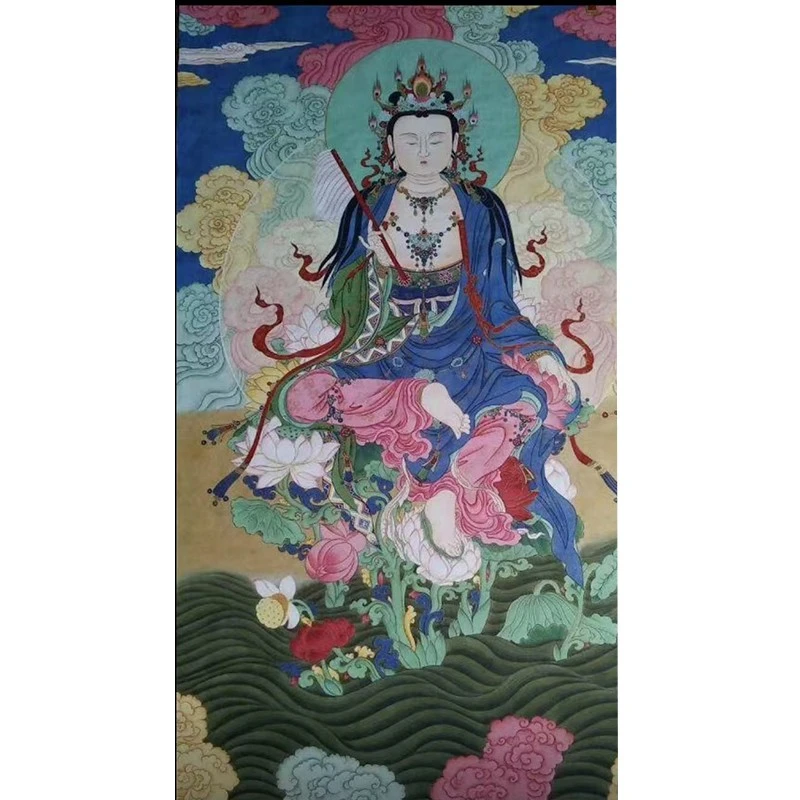
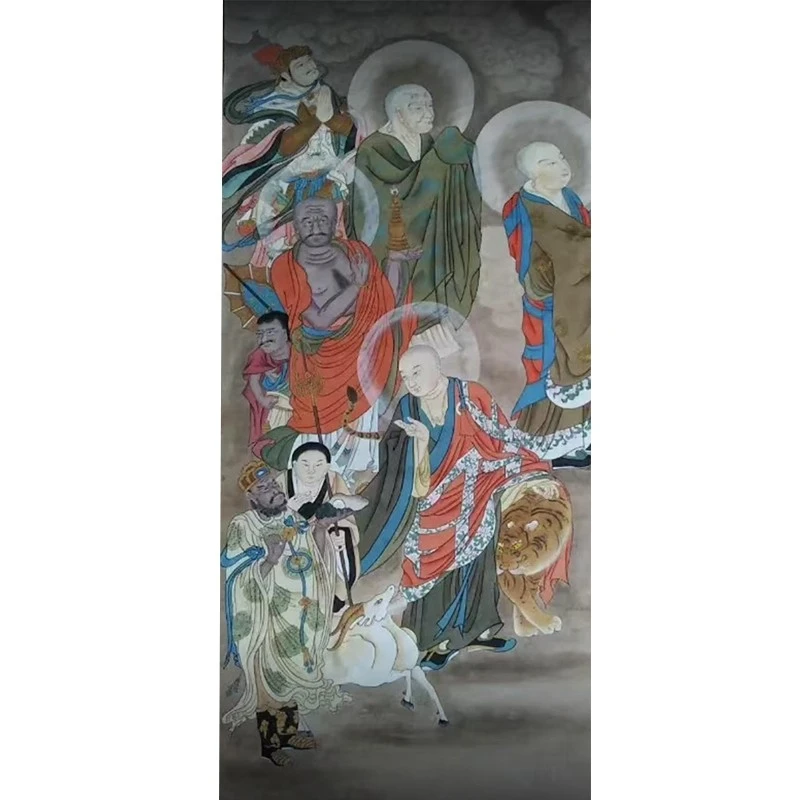
For example, Hand Painted Religious Art often has a long - standing tradition in certain regions. These paintings are passed down through generations, carrying with them the stories and values of the community. They can evoke a strong emotional response in the viewer, whether it is a sense of peace, inspiration, or connection to a higher power.
Printed paintings, while they can provide a similar visual representation, do not have the same emotional and cultural depth. They are often seen as more disposable and less meaningful in the context of cultural heritage.
6. Customization and Individuality
One of the most significant advantages of handmade Buddha paintings is the possibility of customization. As a supplier of handmade Buddha paintings, I often work with customers to create unique artworks that meet their specific needs. Customers can request specific poses, colors, or even incorporate personal symbols into the painting.
This level of customization allows the customer to have a truly one - of - a - kind piece that reflects their own spiritual journey and beliefs. For example, a customer may want a Hand Painted Figure Art of the Buddha with a specific background that represents a place important to them.
Printed paintings, on the other hand, are usually available in a limited number of designs. There is little to no room for customization, as the printing process is standardized and mass - produced.
Connecting with Handmade Buddha Paintings
If you are interested in exploring the world of handmade Buddha paintings further, I invite you to contact me for a procurement discussion. Whether you are looking for a piece of art to adorn your home, a gift for a spiritual friend, or to add to a collection, I can provide you with high - quality handmade Buddha paintings that are a perfect blend of artistry and spirituality. The unique qualities of handmade paintings, as discussed above, make them a valuable investment, both in terms of aesthetics and spiritual significance.
References
- "The Art of Tibetan Thangka Painting" by Tenzin Norbu
- "Buddhist Art: A Visual Guide" by Rebecca Cohn