
How do artists get inspiration for Buddhist wall art?
As a supplier of Buddhist Wall Art, I've had the privilege of delving deep into the world of these sacred artworks. Buddhist wall art has a long - standing history and a profound spiritual significance. But the question that often comes to mind is, how do artists find the inspiration to create such masterpieces?
Buddhist Scriptures and Doctrines
The vast body of Buddhist scriptures is a wellspring of inspiration for artists. Scriptures like the Lotus Sutra, Diamond Sutra, and Avatamsaka Sutra are filled with profound teachings, stories, and symbols. These texts describe various aspects of Buddhist cosmology, the life of the Buddha, and the path to enlightenment.
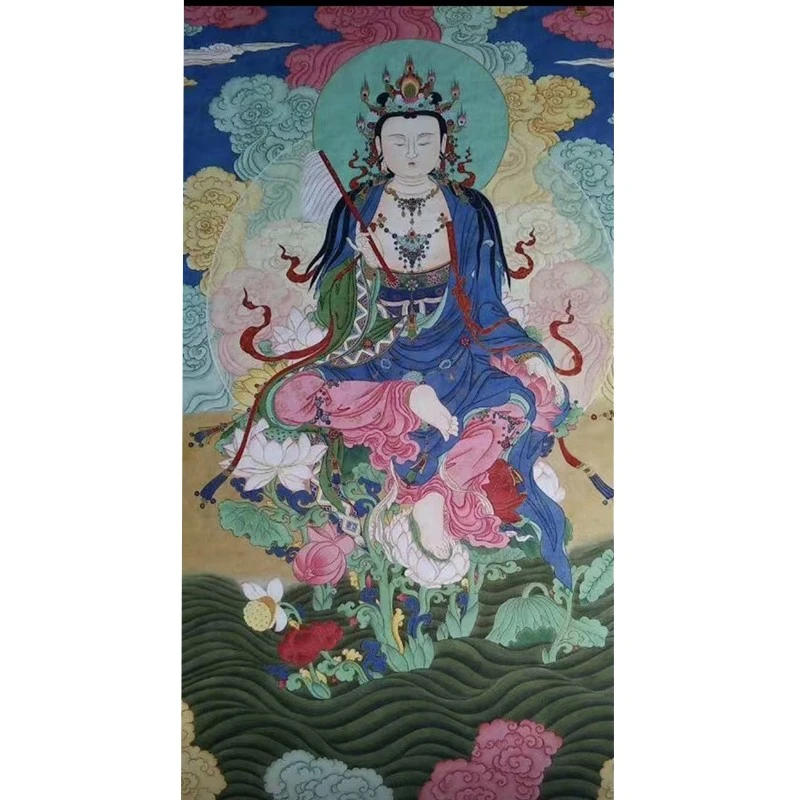
For example, the story of the Buddha's enlightenment under the Bodhi tree is a popular theme in Lotus Buddha Painting. Artists may draw inspiration from the detailed descriptions of the Buddha's serene expression, the radiance surrounding him, and the purity of the lotus flower. The lotus, in Buddhist symbolism, represents purity, enlightenment, and the ability to rise above the mundane world. By studying the scriptures, artists can capture the essence of these spiritual concepts and translate them into visual forms.
The concept of the Four Noble Truths and the Eightfold Path also provides a rich source of inspiration. Artists might depict these teachings through symbolic imagery, using colors and shapes to convey the ideas of suffering, the cause of suffering, the cessation of suffering, and the path to liberation.
Historical and Cultural Heritage
Buddhism has spread across different regions of the world, and each culture has added its own unique touch to Buddhist art. In Tibet, for instance, Tibetan Buddha Painting is characterized by its vibrant colors, intricate geometric patterns, and detailed iconography. Tibetan artists draw inspiration from the long - standing Tibetan Buddhist traditions, which include the practice of thangka painting.
In Southeast Asian countries like Thailand and Cambodia, the art is influenced by the local architecture, such as the grand temples. The temples are adorned with elaborate wall paintings that tell the stories of the Buddha's life. Artists in these regions often visit these historical sites to soak in the atmosphere and observe the details of the existing artworks. They learn from the techniques used by their ancestors and incorporate the local cultural elements into their new creations.
Moreover, the historical events related to Buddhism, such as the spread of Buddhism along the Silk Road, have also had an impact on the evolution of Buddhist wall art. The exchange of ideas and artistic techniques between different cultures during this period has led to a rich and diverse artistic heritage.
Personal Spiritual Practice
Many artists who create Buddhist wall art are themselves practitioners of Buddhism. Their personal spiritual journey becomes a significant source of inspiration. Through meditation, they gain a deeper understanding of the Buddhist concepts and a more profound connection to the spiritual world.
During meditation, artists may experience a sense of inner peace and clarity. This state of mind allows them to access a well of creativity and intuition. They may visualize the Buddha, the Bodhisattvas, or other spiritual beings in their meditative states. These visualizations can then be transformed into artworks.
For example, an artist might have a vision of a compassionate Bodhisattva during a deep meditation session. The artist can then use this vision as a starting point for a Handmade Buddha Painting. The emotions and insights gained from the meditation are infused into the painting, giving it a unique spiritual energy.
Nature and the Cosmos
Nature has always been a source of inspiration for art in general, and Buddhist wall art is no exception. The beauty and harmony found in nature are often associated with Buddhist concepts of balance and interconnectedness.
The changing seasons, the cycle of birth and death in the natural world, and the beauty of the elements like water, fire, earth, and air can all be translated into Buddhist art. For example, a landscape painting with a serene mountain and a flowing river can symbolize the peaceful mind of the Buddha. The lotus flower, which grows in muddy water but emerges pure and beautiful, is a perfect example of how nature can inspire Buddhist art.
The vastness of the cosmos also plays a role. The stars, the moon, and the galaxies represent the infinite nature of the universe, which is in line with Buddhist teachings about the boundless nature of enlightenment and the interconnectedness of all things. Some artists create artworks that incorporate celestial imagery to convey these profound ideas.
Contemporary Society and Social Issues
Even in the modern world, artists find inspiration for Buddhist wall art from contemporary society and social issues. Buddhism teaches compassion, kindness, and the importance of alleviating suffering. Artists may use their art to address current issues such as environmental degradation, social inequality, and mental health problems.
For example, an artist might create a painting with the Buddha in a setting of a polluted city, to raise awareness about environmental issues. The Buddha's peaceful expression can contrast with the chaos and destruction in the background, highlighting the need for a more mindful and sustainable approach to life.
In a similar vein, when it comes to social inequality, an artist may depict the Buddha reaching out to people from different social classes, emphasizing the equality and compassion in Buddhism. This type of art not only reflects the spiritual essence of Buddhism but also has a contemporary and relevant message.
Hand - Crafted and Traditional Techniques
The process of creating Buddhist wall art often involves traditional and hand - crafted techniques. These techniques themselves can be a source of inspiration. Artists who are well - versed in traditional methods such as hand - painting, gold leaf application, and wood carving find great satisfaction and inspiration in the meticulousness of the process.
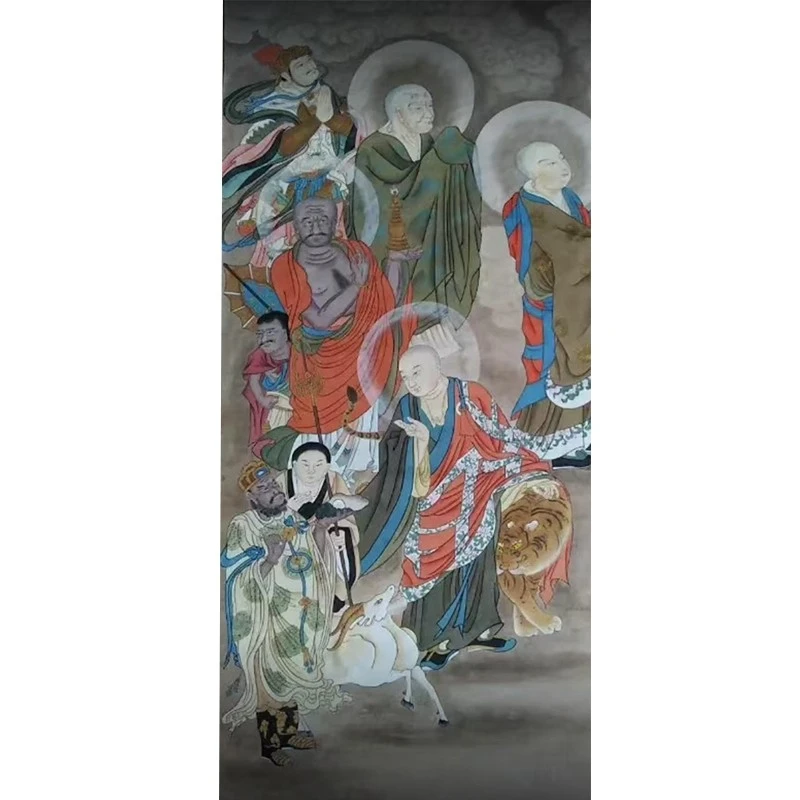
In Hand Painted Figure Art, the artist has to pay close attention to every detail, from the facial expressions of the Buddha to the folds of the robes. The slow and deliberate process of hand - painting allows the artist to connect more deeply with the subject matter and infuse the artwork with their own energy and spirit.
As a supplier of Buddhist wall art, I'm constantly in awe of the creativity and inspiration that goes into each piece. Whether it's through the study of ancient scriptures, the exploration of cultural heritage, or the reflection on contemporary society, artists are able to create artworks that not only have aesthetic value but also carry a profound spiritual message.
If you're interested in adding some of these beautiful and meaningful Buddhist wall art pieces to your collection, or if you're looking to source high - quality products for your business, I invite you to get in touch for further discussions. Let's explore the possibilities together and find the perfect Buddhist wall art that suits your needs.
References
- "The Art of Buddhism" by John C. Huntington
- "Buddhist Art in Tibet" by Pratapaditya Pal
- "The Lotus Sutra: A Biography" by Gene Reeves