
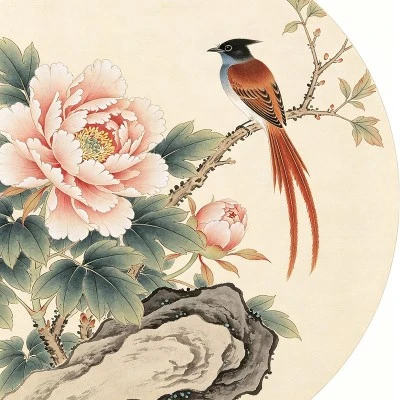
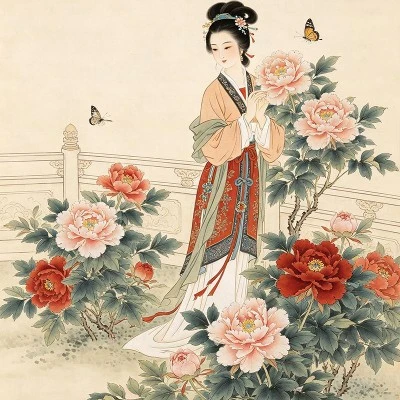
In the realm of traditional Chinese art, Gongbi Silk Scroll painting stands as a pinnacle of sophistication and elegance. This meticulous style, characterized by its fine brushwork, detailed precision, and rich color application, has long been admired and practiced for centuries. As the digital age unfolds, the question arises: Are there any mobile apps for learning Gongbi Silk Scroll painting? In this blog, we'll explore this query and also share some insights from our perspective as a Gongbi Silk Scroll supplier.
The Appeal of Gongbi Silk Scroll Painting
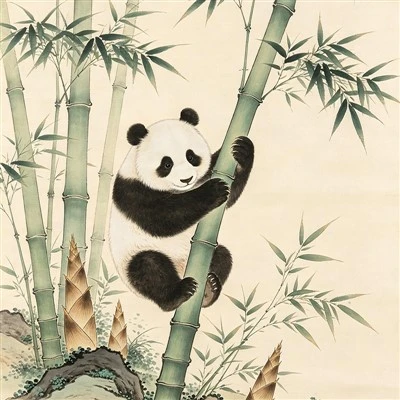
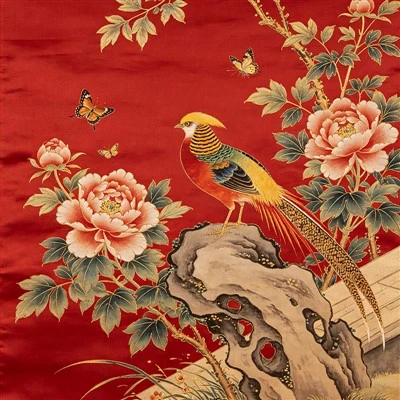
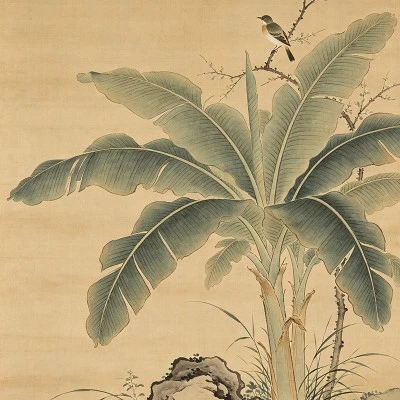
Gongbi Silk Scroll painting, with its roots deeply embedded in Chinese cultural heritage, offers a unique artistic experience. The art involves the use of fine brushes to create highly detailed and realistic images on silk or rice paper. Whether depicting scenes from nature, classical literature, or portraits, Gongbi paintings are known for their lifelike quality and aesthetic appeal. They are not only a form of artistic expression but also a way to preserve and celebrate the rich history and traditions of China.
Many individuals are drawn to Gongbi Silk Scroll painting due to its meditative and therapeutic nature. The process of carefully applying each brushstroke requires patience, concentration, and a steady hand, offering a form of relaxation and self-expression. Moreover, the finished paintings can serve as beautiful decorative pieces, adding a touch of elegance and cultural significance to any space.
The Search for Mobile Learning Apps
In today's digital era, mobile apps have become a popular tool for learning various skills, including art. The convenience of having access to educational resources at your fingertips, anytime and anywhere, makes mobile apps an attractive option for those interested in learning Gongbi Silk Scroll painting.
A quick search on app stores reveals a few options for learning traditional Chinese painting, but the selection for Gongbi Silk Scroll painting specifically is somewhat limited. However, there are still some apps that can provide valuable learning opportunities.
One type of app available is the instructional video app. These apps offer a library of video tutorials taught by experienced Gongbi artists. The videos typically cover a range of topics, from basic brush techniques and color mixing to more advanced composition and subject matter. By watching these tutorials, learners can gain a better understanding of the techniques and principles behind Gongbi Silk Scroll painting.
Another type of app is the interactive drawing app. These apps allow users to practice their brushwork on the screen using virtual brushes and colors. They often provide features such as step-by-step guides, layering options, and the ability to save and share their artwork. While not a substitute for traditional painting materials, these apps can be a useful way to practice and experiment with different techniques in a digital environment.
Benefits of Mobile Learning Apps
Mobile learning apps offer several benefits for those interested in learning Gongbi Silk Scroll painting. Firstly, they provide flexibility. Learners can access the tutorials and practice materials at their own pace and on their own schedule. Whether you have a few minutes during your commute or a longer block of time in the evening, you can easily pick up your phone and start learning.
Secondly, mobile apps can be a cost-effective option. Traditional art classes and workshops can be expensive, especially if you need to purchase materials and pay for instruction. In contrast, many mobile apps offer free or low-cost access to a wealth of learning resources. This makes it more accessible for individuals who are on a budget or who want to try out Gongbi Silk Scroll painting before committing to a more formal course.
Thirdly, mobile apps can provide immediate feedback. Some apps offer features such as automated grading or virtual critique, allowing learners to assess their progress and identify areas for improvement. This can be particularly helpful for self-directed learners who may not have access to a teacher or mentor.
Our Role as a Gongbi Silk Scroll Supplier
As a supplier of Gongbi Silk Scrolls, we have a deep appreciation for the beauty and artistry of this traditional Chinese form. We understand the importance of preserving and promoting this cultural heritage, and we are committed to supporting those who are interested in learning and practicing Gongbi Silk Scroll painting.
In addition to providing high-quality Gongbi Silk Scrolls for sale, we also offer a range of resources and support to our customers. We have a team of experts who can provide advice on painting techniques, materials, and care. We also host events and workshops where individuals can learn from experienced artists and connect with other Gongbi enthusiasts.
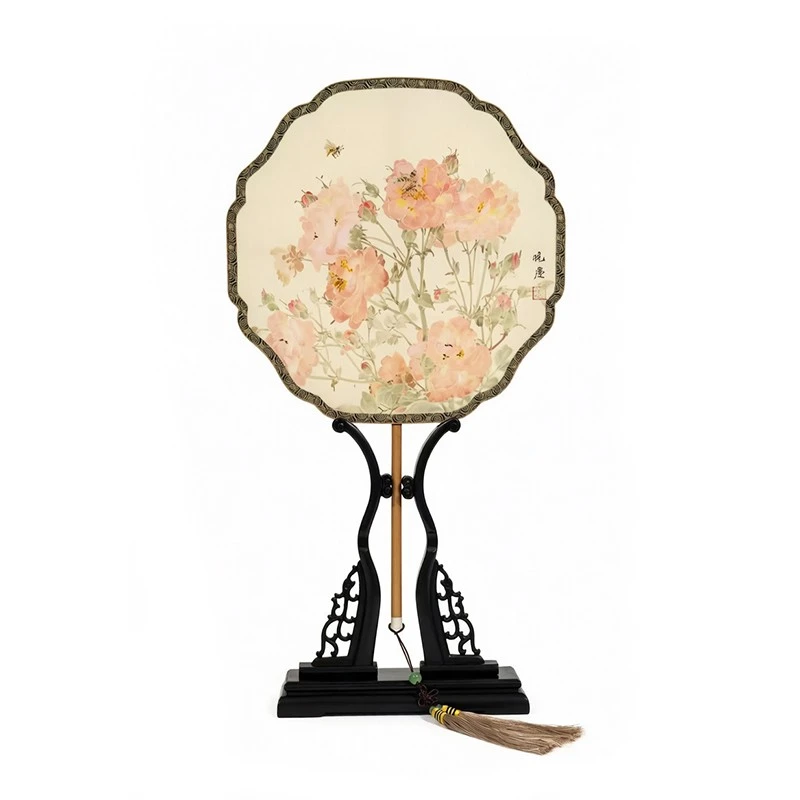
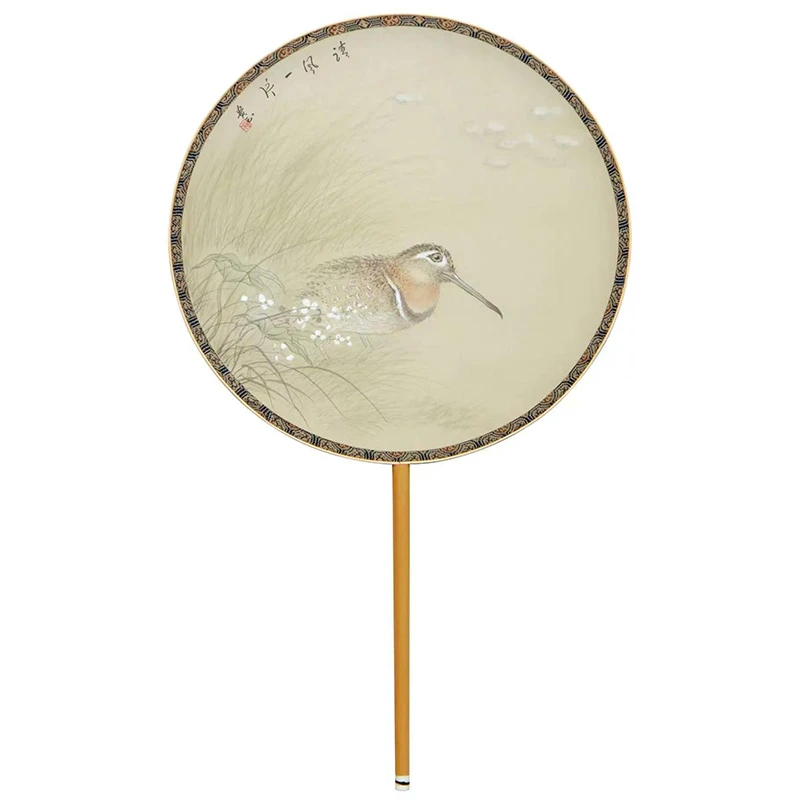
Our products include a variety of Gongbi Silk Scrolls, as well as related items such as Decorative Fan, Vintage Hand Fan, Hand-painted Folding Fan, and Gongbi Round Fan. These items are not only beautiful decorative pieces but also a great way to appreciate and learn about the art of Gongbi Silk Scroll painting.
Conclusion and Call to Action
In conclusion, while the selection of mobile apps for learning Gongbi Silk Scroll painting is somewhat limited, there are still some options available that can provide valuable learning opportunities. Mobile apps offer flexibility, cost-effectiveness, and immediate feedback, making them a convenient and accessible way to learn this traditional Chinese art form.
If you are interested in learning more about Gongbi Silk Scroll painting or purchasing our products, we encourage you to visit our website at Gongbi Silk Scroll. Our team is always ready to assist you with any questions or inquiries you may have. Whether you are a beginner or an experienced artist, we look forward to connecting with you and helping you explore the world of Gongbi Silk Scroll painting.
References
- "Chinese Painting: Techniques and Traditions" by James Cahill
- "The Art of Gongbi Painting" by Li Xiongcai
- "Traditional Chinese Painting: A Guide to Techniques and Materials" by Wang Shixiang